Closed meeting for State and Authority Representatives
This is the first opportunity to network with industry partner providers and new existing contacts with industry professionals. Event will be catered with a cash bar.
Host Introduction – Welcoming thank you to all attendees from our Event Host, DOTQS, and a word from our host state, Kansas DOT.
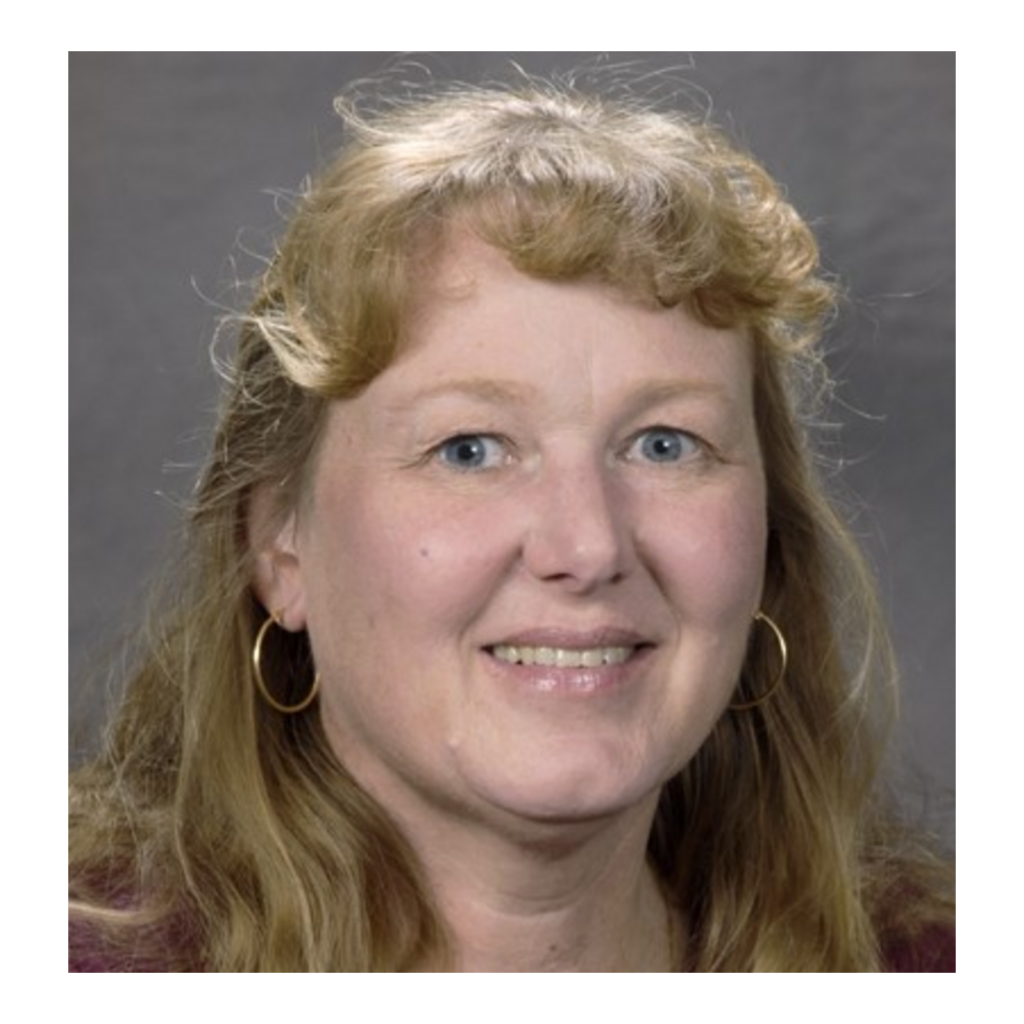
Susan Barker, Structural Materials Engineer, Kansas DOT.
Mike O’Brien, MARK 10 Resource Group, Inc.
DOT specifications vary considerably regarding requirements for edge preparation on steel bridges. Laboratory testing on high-performance coating systems, including inorganic zincs, thermal spray metallizing, and hot-dip galvanizing reveal insufficient edge preparation leads to early corrosion on edges. Actual field observations on bridges indicate the same results - corrosion starts first on the edges of flanges, stiffeners, cross-frames, and connection plates. This practical presentation will discuss the common methods for preparing edges and explain the problems with the current requirements that are resulting in the failures of coatings on edge. It will conclude with recommended changes for a significant reduction in corrosion on edges.
Mike O’Brien, MARK 10 Resource Group, Inc.
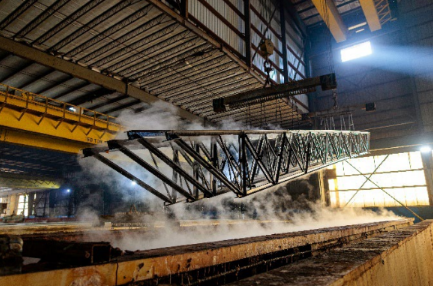
Premature coating failures, sometimes massive and expensive, continue to occur on highway bridges when coatings are applied over hot-dip galvanizing. This extremely practical presentation, showing numerous duplex coating failures on hot-dip galvanizing, will examine why these failures occur, and will explain the steps required to eliminate coating failures with duplex coating systems. Understanding the various stages of galvanizing after its application and the surface preparation issues that promote failures of duplex systems, and the best time to apply coatings to eliminate failures will be discussed.
Susan Barker PE, Structural Materials Engineer, Kansas DOT & Craig Koetting, Quality Control Manager, Delong’s
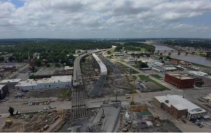
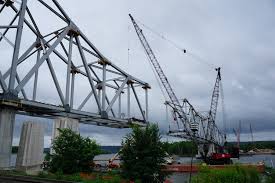
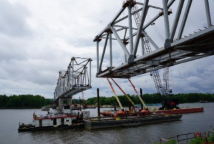
I-70 Polk-Quincy Viaduct in Downtown Topeka, Kansas was built in 1962 and is being replaced. The viaduct project seeks to improve safety by replacing and flattening out Interstate 70's sharp curve. The New viaduct will consist of two elevated viaduct Steel Bridges, one for eastbound traffic and the other for westbound.
Todd Alwood, Vice President Membership & Certification, American Institute of Steel Construction
This session provides an update on AISC initiatives, resources, and certification programs
that support state DOTs and bridge fabricators. Attendees will learn about new fabricator education and online learning opportunities, as well as receive a preview of key bridge-related highlights planned for the 2027 NASCC in Denver.
Ben Bristol, Director Railroad Marketing & Customer Support, Industrial Steel Construction
Amangdda Swanberg, Director of North America Sales & Marketing, Valmont
This presentation will focus on the advantages of a hybrid approach that combines the galvanizing of splice plates and cross-frames with the metalizing of girders. This method is a cost-effective solution for achieving long-term protection through these two coatings while maintaining a competitive cost of coating steel bridge structures.
Dr. Michael Barker, University of Wyoming, Director of Education, SSSBA
An evaluation of optimized steel plate girders as an economical and structurally efficient alternative solution for 60’–100’ bridge spans, particularly in cases where larger rolled beams may be less cost-competitive compared with other bridge systems. The presentation includes design comparisons, case studies, optimized design examples, and implementation guidance for engineers and fabricators, with Tanner Genenbacher, Business Development Manager at DeLong’s, providing a fabricator’s perspective on practical application and constructability.
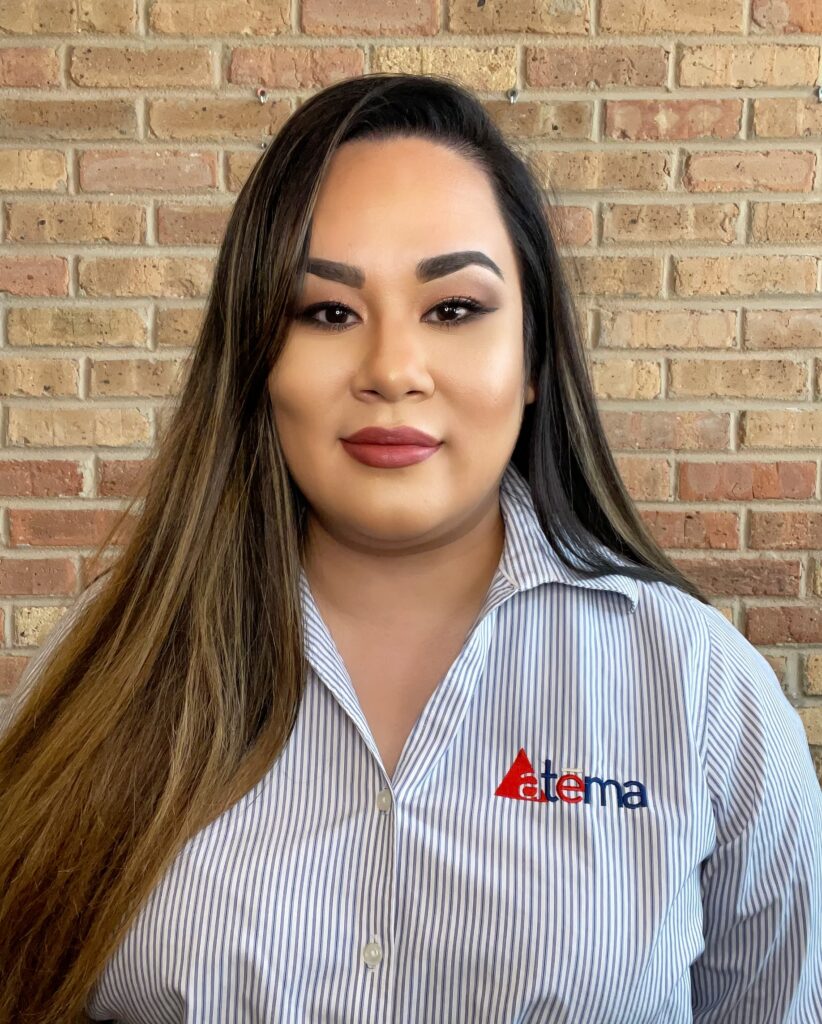
Jim Callahan, Director of Technical Services and Development, Atema
Fabrication quality management is critical to ensuring structural steel bridge components are produced safely, efficiently, and in compliance with project specifications. This presentation explores the value of expert quality assessments, highlighting best practices, common challenges, and how proactive oversight helps improve fabrication quality, reduce risk, and deliver successful bridge projects.
Anna Petroski, President, DOT Quality Services
As Chair of AWS Q&C Sub Committee on the Bridge Structural Inspector, Anna will provide an update on the program, including recent developments, key initiatives, and other relevant committee information.
Kent Nelson, Quality Systems Specialist, DOT Quality Services
Almost everyone is aware of the big changes to the Bridge Welding Code. Hear some of the highlights that may make the fabrication process go better if the DOTs and the Fabricators are fully aware of how this can improve the process.
Kent Nelson, Quality Systems Specialist, DOT Quality Services
Almost everyone is aware of the big changes to the Bridge Welding Code.
Hear some of the highlights that may make the fabrication process go better if the DOTs and the Fabricators are fully aware of how this can improve the process.
Tom Ringelstetter PE, Chief Engineer, Kraemer North America, LLC
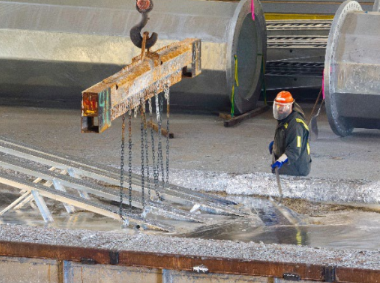
Ralph Beam, General Manager, Valmont Valley Galvanizing
Justin Boelter, Engineering Product Manager, Valmont
Attendees are asked to bring their own hard hat, eye protection, and safety vest. Safety toe boots are preferred and recommended; however, they are not required. Closed-toe shoes are required for all tour participants.
To make the job of the State Engineer or Technician easier because they learn how other States handle problems, find solutions, improve their programs and projects, and stay informed on new direction from government agencies and code writing bodies such as AASHTO, FHWA, AWS and other entities that affect steel bridge work.
To serve in the knowledge and continuing education for State and Agency bridge engineers and technicians and managers involved with steel bridge construction and maintenance.